Blog
Impactable Dock Shelters, Efficient Loading Dock Bumpers

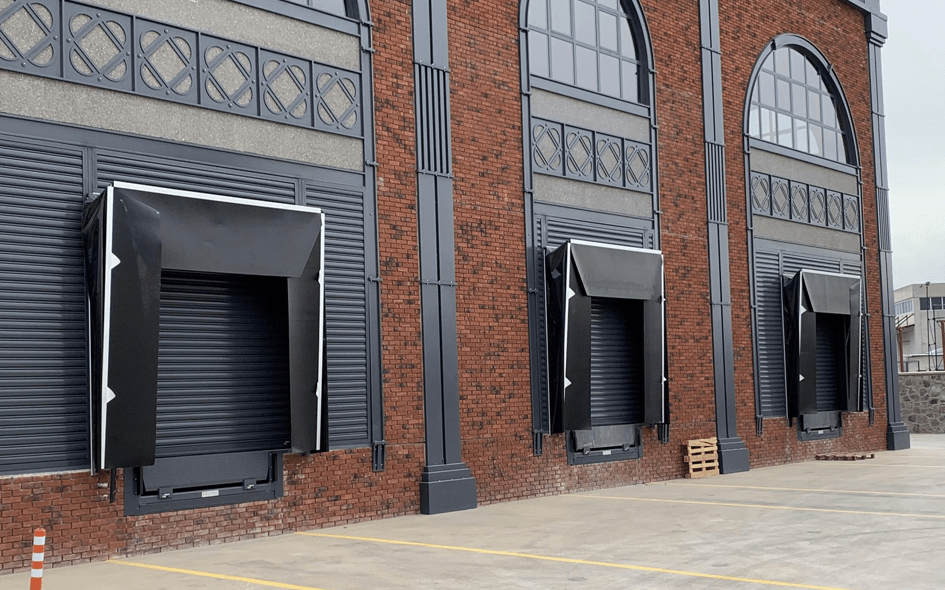
In the fast‑paced world of logistics, warehousing, and industrial facilities, every detail matters — especially when it comes to your loading dock infrastructure. Two essential components that can significantly improve performance, safety, and cost savings are Impactable Dock Shelters and efficient loading dock bumpers. These solutions protect your facility, boost productivity, and create a smoother, more reliable workflow at every stage of material handling.
What Are Impactable Dock Shelters?
Impactable Dock Shelters are engineered barrier systems installed at shipping and receiving bays to seal the gap between your facility and the back of a truck or trailer. Unlike basic dock seals, impactable shelters are designed to withstand frequent vehicle contact without damage, maintaining a secure and weather‑resistant seal even in high‑traffic environments.
At Dock & Door Systems, Inc., impactable dock shelters are part of a broader range of reliable loading dock products. Their shelters help:
- Reduce energy loss: A tight seal keeps conditioned air inside and extreme temperatures outside, lowering your facility’s energy costs — especially in temperature‑sensitive operations like cold storage.
- Protect goods and personnel: By blocking rain, wind, dust, and pests from entering the dock area, shelters help maintain clean, safe working conditions and prevent damage to inventory.
- Withstand repeated impact: Designed for real‑world loading environments, impactable dock shelters remain intact even when trucks make contact during docking, reducing downtime and repair needs.
Modern dock shelters can be customized to fit trailer size variations while maintaining performance. Some even integrate with dock lighting and control systems to further streamline operations.
The Role of Efficient Loading Dock Bumpers
While dock shelters protect the seal between facility and trailer, efficient loading dock bumpers safeguard the structure itself. These heavy‑duty bumpers act as a first line of defense when trucks and trailers back into docks, absorbing impact forces that could otherwise damage building edges, equipment, or vehicles.
Dock bumpers offer several key benefits:
- Structural protection: Designed to cushion the energy from reversing trailers, bumpers help prevent costly damage to docks and walls.
- Enhanced safety: By reducing the force of impact, they help protect forklift operators, dock workers, and other personnel working around the loading area.
- Durability in tough conditions: Quality bumpers are made from heavy rubber or composite materials that can withstand repeated use and harsh industrial environments.
- Cost savings: Effective bumpers reduce maintenance and replacement expenses by protecting your dock levelers, doors, and structural elements over time.
The design of dock bumpers matters, too. Some styles use cushioned rubber blocks or spring steel to absorb and distribute impact force more efficiently, reducing wear on both dock and vehicle.
Why Investing in Quality Dock Equipment Pays Off
A well‑equipped loading dock is more than a functional necessity — it’s a strategic advantage. Combining impactable dock shelters with efficient loading dock bumpers ensures your facility enjoys:
- Reduced operational disruption – Less downtime from damage or equipment wear means quicker turnaround for loading and unloading.
- Improved energy efficiency – Proper seals minimize heating and cooling losses, reducing utility costs.
- Enhanced worker safety – Shock‑absorbing bumpers and secure enclosure systems protect personnel in busy dock environments.
- Lower long‑term costs – By preventing structural damage and cutting repair needs, robust dock components save time and money.
Whether you manage a warehouse, distribution center, or industrial facility, prioritizing reliable dock infrastructure pays dividends. With impactable dock shelters and well‑engineered dock bumpers, your operation becomes safer, more efficient, and better protected against the everyday wear and tear of loading dock activity.