Blog
How To Choose Between Rolling Doors And Overhead Doors For Your Garage

When upgrading a garage, the first real decision comes down to two main options: Overhead doors and rolling doors. Both secure the opening, but they work very differently. Choosing incorrectly means dealing with wasted space, higher maintenance, or daily frustration. This guide cuts through the decision paralysis and helps you match the door type to your actual needs.
When Space Gets Tight, Go With Rolling Doors
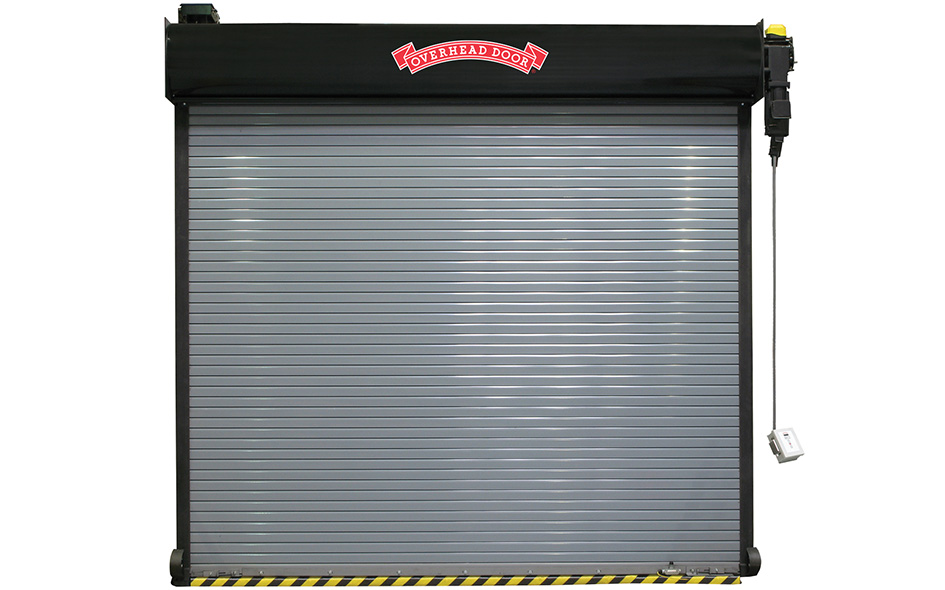
Rolling doors curl into a small drum above the header. The whole door stacks on itself. That leaves almost your entire ceiling free. No tracks eating up depth. No worries about a car lift or storage racks underneath. This design shines in garages with low overhead clearance, lofts, or ductwork in the way.
Standard overhead doors need horizontal tracks that push the door back into the ceiling when open. That works fine in a deep, tall garage. But throw in a few lights, some hung shelves, or an HVAC line, and those tracks become a headache. Grab a tape measure. If your ceiling depth is less than twelve inches, overhead doors will not fit comfortably. Rolling doors will.
Speed And Noise Matter More Than You Think
Motorized rolling doors move fast. Really fast. Open and close in seconds. That makes sense for a commercial bay or a workshop where trucks come and go thirty times a day. But fast comes with tradeoffs. Rolling doors run louder. The coil spring system needs a pro every couple of years.
Overhead doors take their time. They glide on tracks with torsion springs. Slower, yes, but much quieter. For a garage attached to your house, nobody wants a metal roar every time you pull in. For a detached shop where speed rarely matters, overhead doors get the job done without the racket.
Insulation Separates The Two Completely
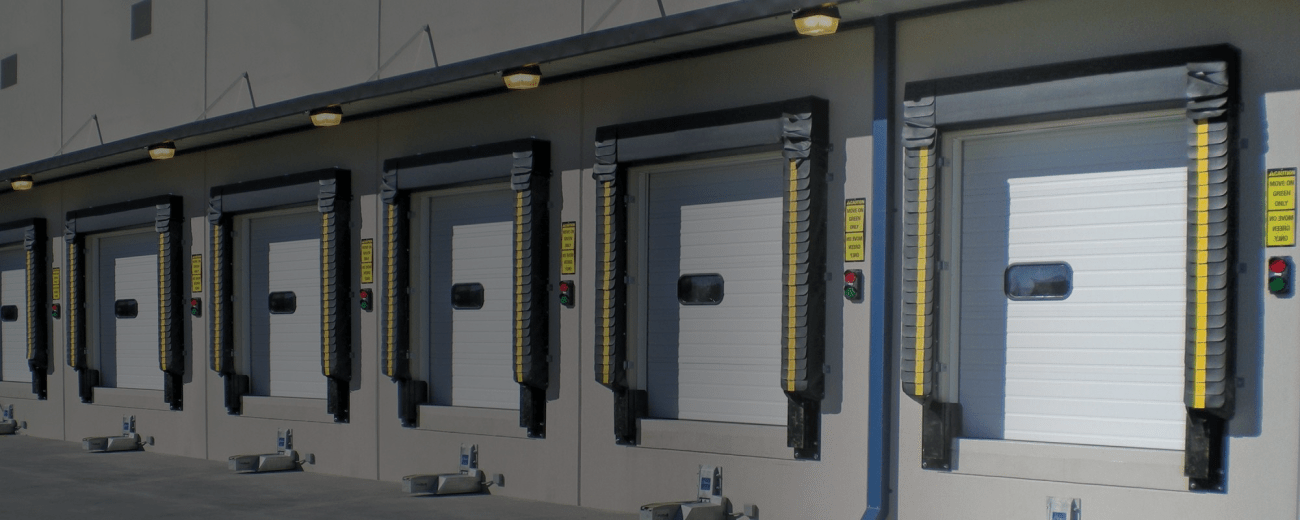
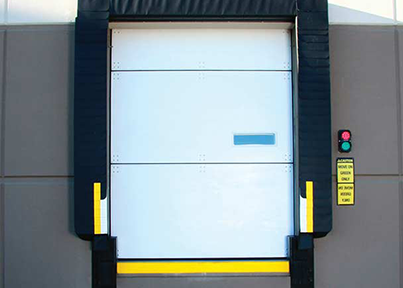
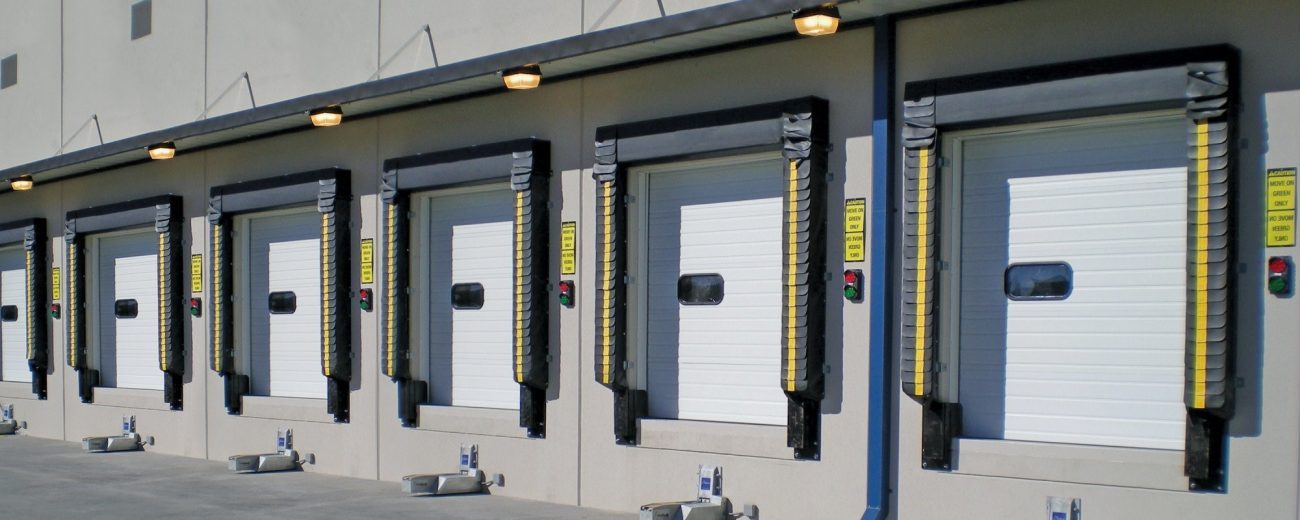
Here is where overhead doors dominate. Panel-style overhead doors hold thick foam insulation between steel layers. R-values can hit 16 or higher. That keeps a heated garage warm all winter. It keeps a cooled workshop tolerable in summer.
Rolling doors use interlocking metal slats. Even insulated slats have gaps. Air leaks through. Thermal performance falls behind by a wide margin. If your garage doubles as a gym, a home office, or anywhere you stay for more than ten minutes, go with overhead doors. Save rolling doors for uninsulated storage or mild climates.
Toughness And Security
Heavy-duty rolling doors handle abuse. Steel slats take hits. The compact design leaves no exposed tracks for someone to pry open. For a garage with expensive vehicles or tools, that matters.
Overhead doors can be secure too. You need a good lock and reinforced brackets. But the exposed side tracks remain a weak point unless braced properly. Residential overhead doors often use thinner steel. If security worries you, upgrade to a commercial-grade overhead door.
What Actually Works
Pick rolling doors when you need speed, ceiling clearance, and industrial toughness. Pick overhead doors when quiet operation and insulation rank higher. Plenty of property owners mix them. A rolling door on a workshop bay. An overhead door on the attached garage. Look at your space, your daily routine, and your climate. Then buy the door that fits the job, not the one that just looks familiar.