Blog
Overhead Doors, Rolling Doors, Garage Doors, Sectional Doors, and Insulated Doors: Choosing the Right Fit for Your Facility

Not every commercial or industrial facility has the same needs when it comes to access points. A cold storage warehouse, a busy distribution center, and a manufacturing plant each require different door solutions to keep operations safe, secure, and efficient. Understanding the differences between overhead doors, rolling doors, garage doors, sectional doors, and insulated doors can help facility managers make the right choice for their specific application.
Overhead Doors: The Industrial Standard
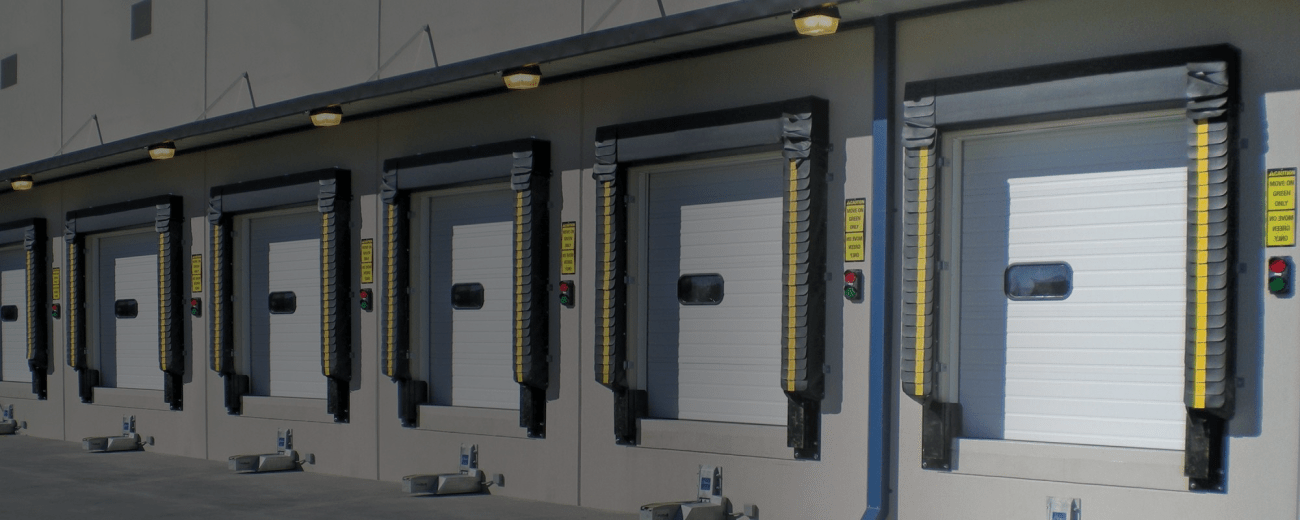
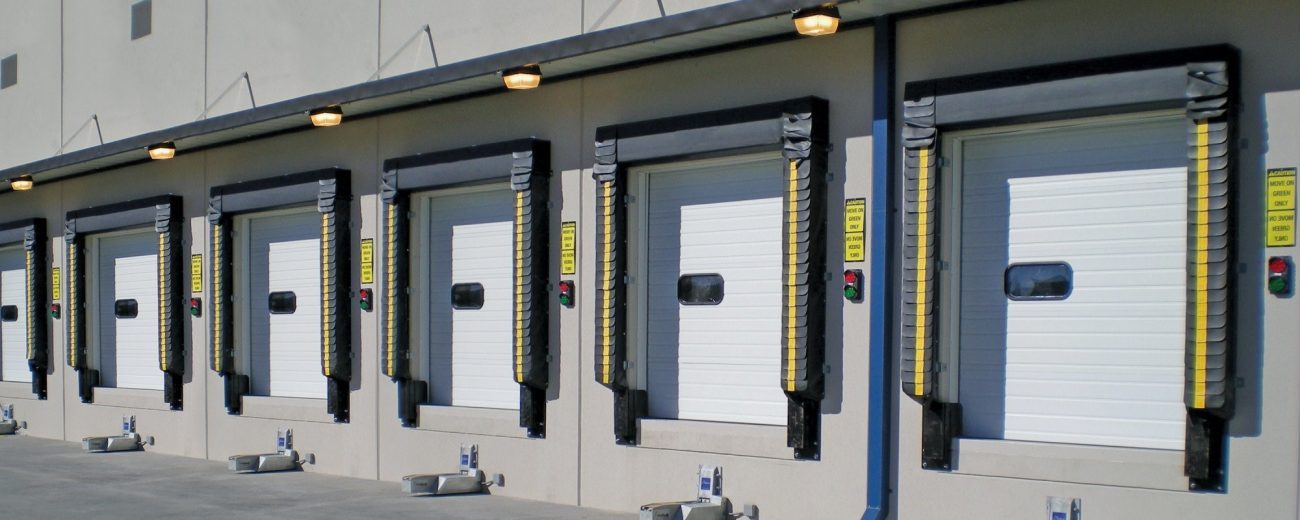
Overhead doors are a foundational solution for loading docks and industrial facilities, providing secure, reliable access for vehicles, equipment, and personnel. Designed to withstand frequent use in demanding environments, overhead doors are built for durability and long-term performance. Whether you’re outfitting a new facility or replacing aging equipment, professional overhead door installation ensures your access points operate smoothly and safely for years to come.
Rolling Doors: Speed and Efficiency
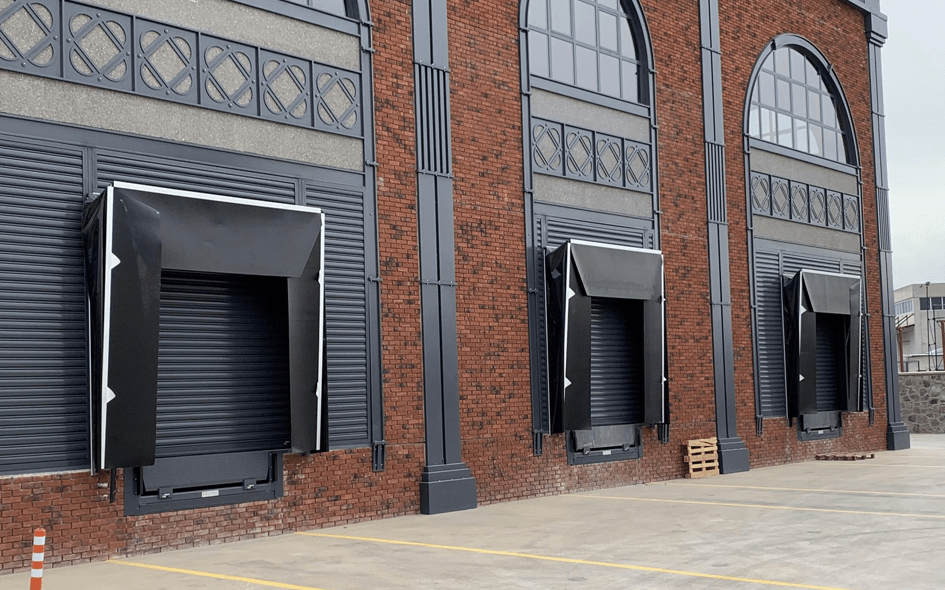
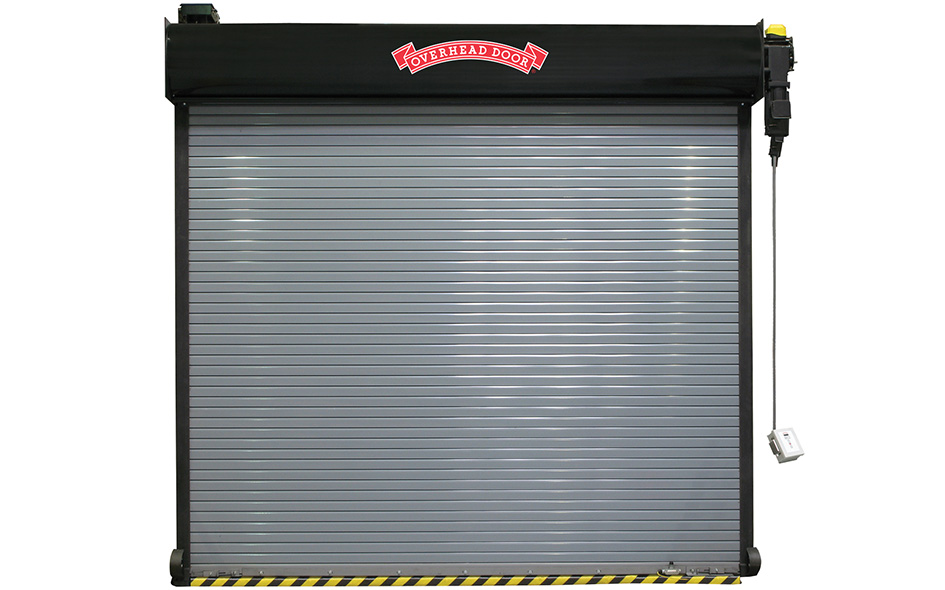
For facilities where speed matters, rolling doors offer a fast, space-saving solution. High-speed rolling doors open and close quickly, helping reduce energy loss, improve traffic flow, and keep operations moving without unnecessary delays. Because they roll up compactly rather than swinging outward or overhead, rolling doors are also a smart choice for facilities with limited ceiling or side clearance, making them a popular option for high-traffic loading docks and distribution centers.
Garage Doors: Versatility for Every Application
While often associated with smaller-scale applications, garage doors remain a versatile option for facilities that need dependable, secure access without the scale of a full industrial door system. Built to handle regular use, garage doors provide a cost-effective solution for smaller openings while still offering the security and durability facilities depend on.
Sectional Doors: Built for Durability
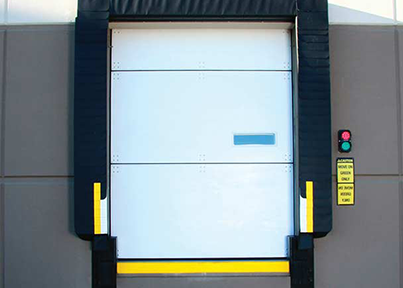
Sectional doors are constructed from multiple horizontal panels that travel along a vertical track, folding neatly along the ceiling as they open. This design makes sectional doors an excellent choice for facilities that need a durable, space-efficient option capable of withstanding heavy daily use. Their segmented construction also allows for easier repairs, since individual panels can often be serviced without replacing the entire door.
Insulated Doors: Protecting What Matters
For facilities managing temperature-sensitive environments, such as cold storage, food processing, or climate-controlled warehouses, insulated doors are essential. Insulated doors help maintain consistent interior temperatures, reduce energy costs, and create a more comfortable, controlled environment for both product and personnel. Pairing insulated doors with proper dock seals and shelters further strengthens the barrier against outside air, moisture, and pests.
Choosing the Right Solution for Your Facility
Selecting the right combination of overhead doors, rolling doors, garage doors, sectional doors, and insulated doors depends on your facility’s traffic volume, climate control needs, security requirements, and available space. The right door system doesn’t just protect your building, it directly impacts operational efficiency and safety for your team.
Why Choose Dock & Door Systems
Since 2006, Dock & Door Systems, Inc. has grown into a trusted loading dock equipment supplier, offering a full range of industrial doors along with expert installation, repair, and maintenance services. From high-speed rolling and sliding doors to heavy-duty sectional and insulated solutions, our team helps facilities across Texas and Mexico work smarter with dependable, high-performance equipment.
Contact Dock & Door Systems today to find the right door solution for your facility and keep your operations running smoothly and securely.